

🐸 The History of the Coquí
The coquí has been trending all over social media lately. So what’s a coquí? What’s going on? And why is it a big deal?
What is a coquí?
The coquí is an endemic frog species native to Puerto Rico. It’s barely the size of a quarter and got its name from the distinct “coqui” sound it makes. It’s loud enough to echo through the mountains, coastlines, and the walls of Abuela’s house at night. A single male coquí can chirp at up to 100 decibels.
A Quick History Lesson
The coquí has been around since long before colonizers touched down, likely inhabiting the Caribbean for at least 29 million years. The indigenous Taíno people regarded the miniature tree frog as part of the natural harmony of the island. It appears in ancient myths and is still woven into the cultural fabric of Borikén, the indigenous name for Puerto Rico.
Coquís are also environmental. They help balance Puerto Rico’s ecosystem by eating mosquitoes and other small insects, but don’t survive well outside the island. They were accidentally introduced into Hawaii in the late 1980s, but have become an invasive species because they disrupt the ecosystem, since there are no natural predators. Some areas in Hawaii have over 10,000 frogs per acre. This ecological disruption outside of the Puerto Rican land and climate truly makes them uniquely tied to the island.
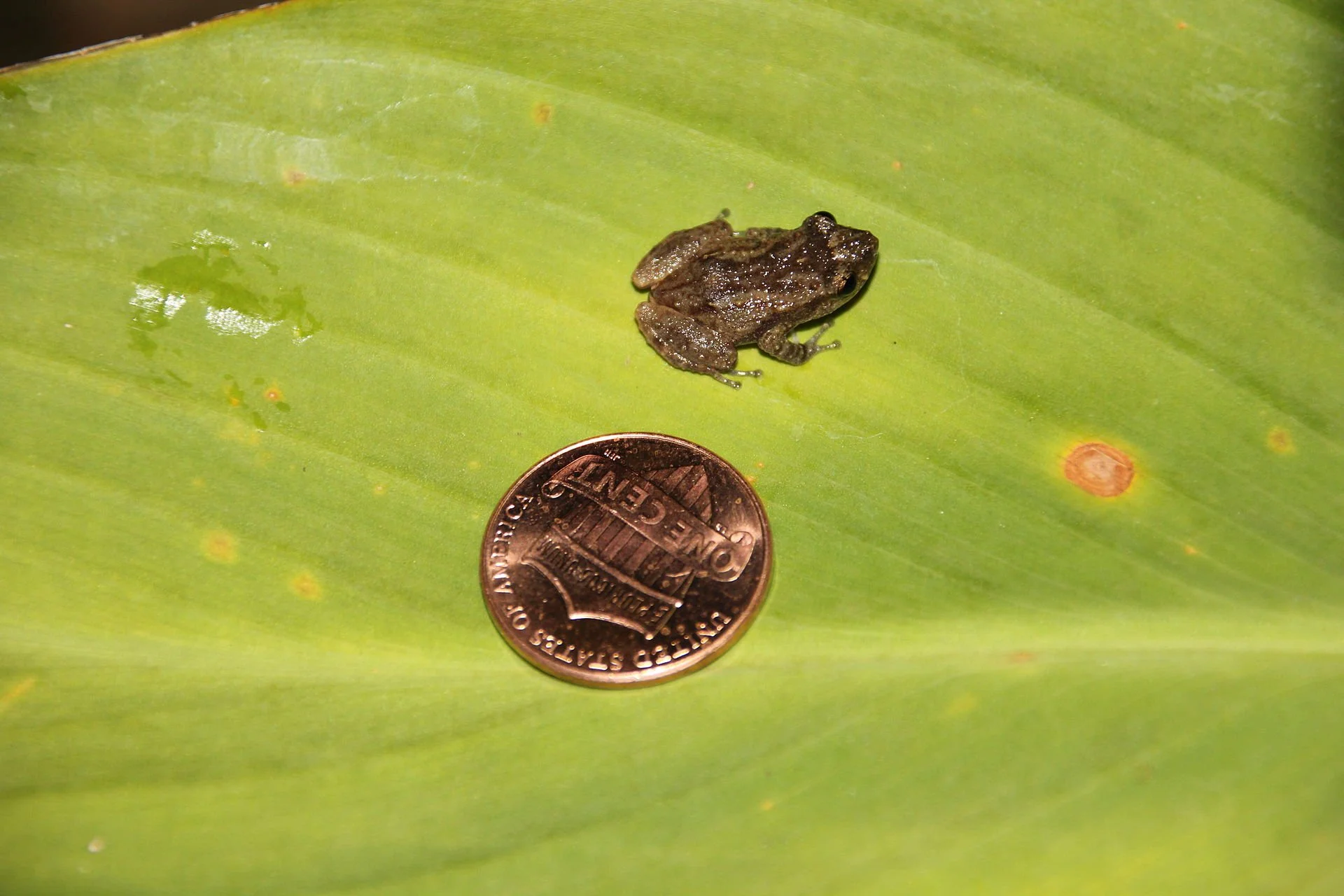
The coquí is a national symbol and sacred part of Puerto Rican identity, culture, and generations of island life. It’s in our lullabies, our poetry, our T-shirts, and our protests.
So why are they trending?
Social media has recently been filled with viral videos of tourists in Puerto Rico spraying bug repellents, bleach, or even water into bushes and trees to silence the coquís at night. 😱 Yes, tourists are silencing the coquí.
One woman even posted a TikTok bragging about how she “finally got them to shut up,” which went viral on Reddit after a user asked how to silence the coquí. The post has since been deleted.
This isn’t just annoying. It’s disrespectful, ecologically harmful, and wildly ignorant. Imagine going to Italy and painting over the Sistine Chapel because the colors were “too much.” That’s the level of absurdity and audacity this reaches.
Colonizer Energy 2.0
This issue speaks to a much larger problem of colonial entitlement. Puerto Rico is still a U.S. territory and the oldest colony in the world. This toxic, colonial relationship shows up in the way people treat the land, culture, and people.
Tourists visit Puerto Rico expecting paradise, but forget or don’t care that people live on the island and call it home. They carry over their gentrifying habits, raise property prices, and now they want to mute the natural sound and ecology of the island.
The coquí is not the problem.
Words of advice: If you can’t handle the coquí, Puerto Rico might not be for you, and that’s okay. But don’t visit and try to erase a sound that’s older than your Airbnb account. Instead of silencing the coquí, try listening. Let it serenade you to sleep like it’s done for millions of Puerto Ricans and visitors.
Learn from it and respect it because in the end, the coquí doesn’t just belong to Puerto Rico, it is Puerto Rico. El coquí se respeta!
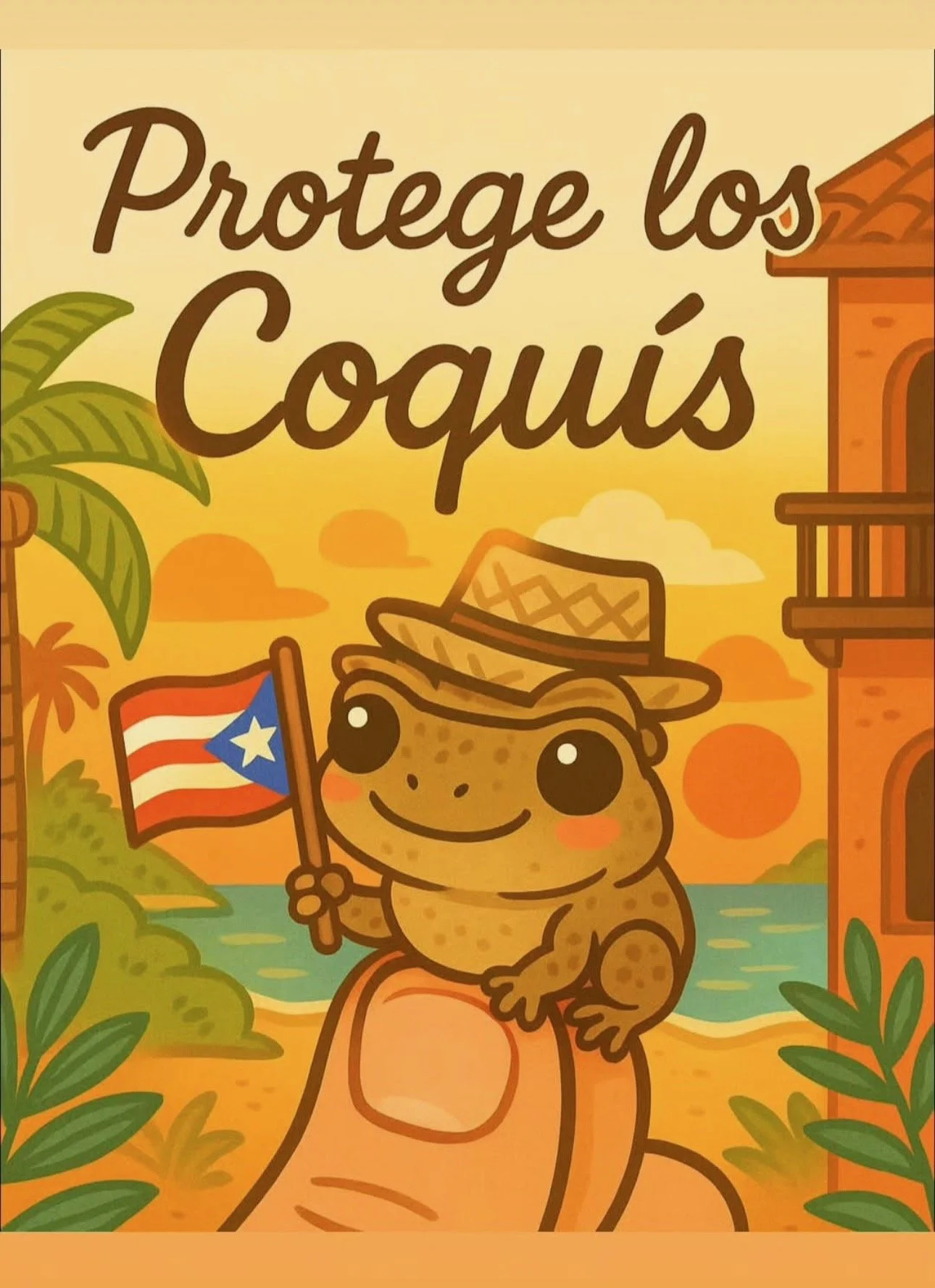
Learn from it and respect it because in the end, the coquí doesn’t just belong to Puerto Rico, it is Puerto Rico.
El coquí se respeta!
